Substance Use Among High-Functioning and Successful Men: The Struggle No One Sees

By Daniel Rubin, LMHC, LPC – Transcend Counseling

From the outside, everything looks fine—sometimes even impressive.

The career is solid. The income is strong. Responsibilities are handled. Deadlines are met. Families are provided for. To most people, this is what “having it together” looks like.

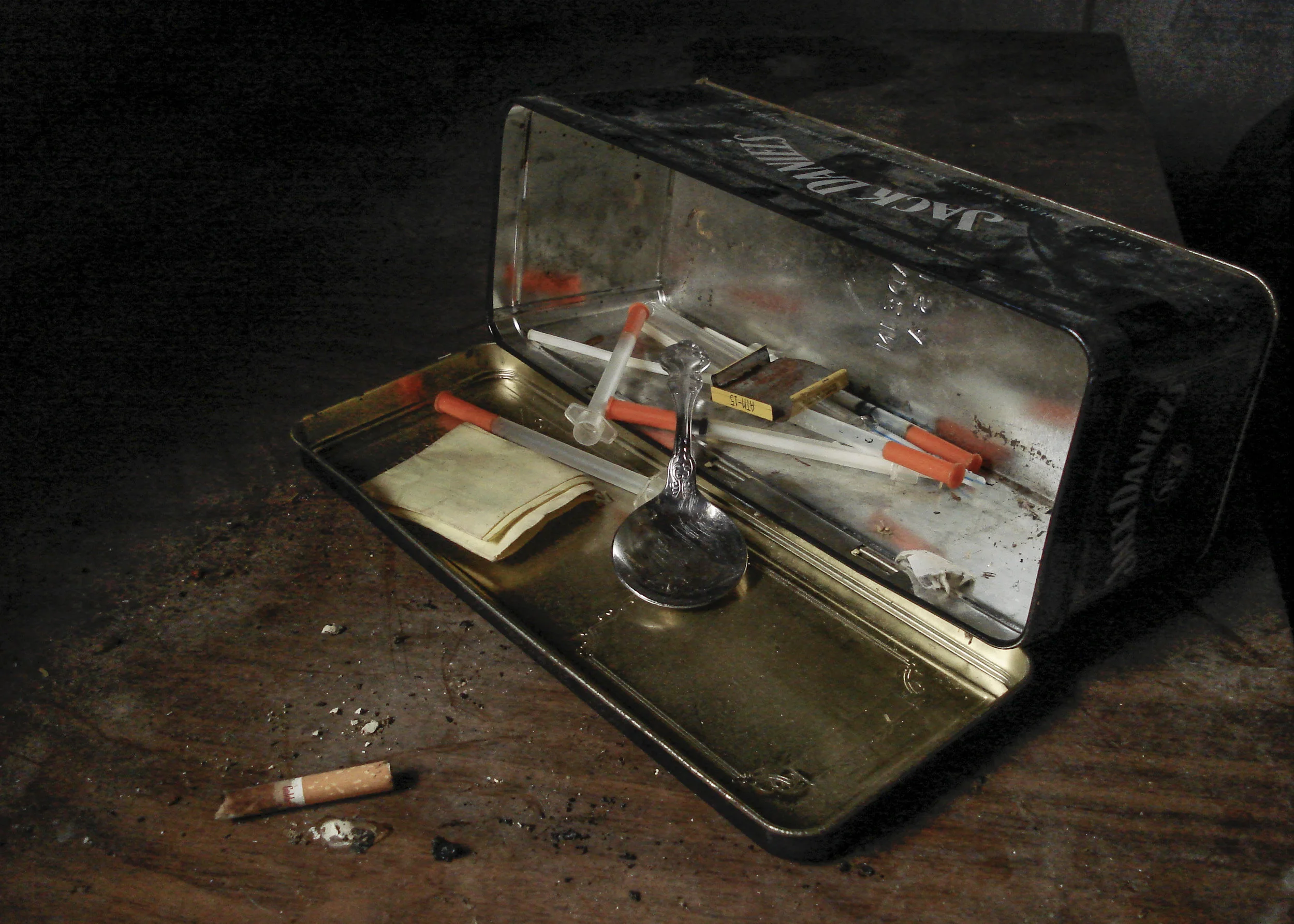
But behind closed doors, many high-functioning men are using substances in ways they never planned to. Alcohol to sleep. Stimulants to perform. Benzodiazepines to calm the noise. Cocaine or other drugs to feel something again—or to feel nothing at all.

Because they’re still functioning, the problem often goes unnoticed. Or worse, it’s minimized.

This is the hidden reality of substance use among successful men: you don’t have to be falling apart for something to be wrong.

What “High-Functioning” Substance Use Really Means

High-functioning substance use doesn’t look like rock bottom.

It looks like:

  • Drinking every night but never missing work

  • Using substances only “after everything is done”

  • Rationalizing use as stress management or a reward

  • Hiding usage carefully—no DUIs, no public consequences

  • Being the reliable one everyone depends on

Functioning becomes the proof that nothing is wrong.

But functioning is not the same as thriving.

Many men I work with say the same thing in different ways:

“Nothing has blown up yet… but something feels off.”

That internal dissonance—the gap between how life looks and how it feels—is often the first sign that substance use has crossed a line.

Why Successful Men Are Especially Vulnerable

1. Chronic Pressure and Identity Tied to Performance

High-achieving men often define themselves by results. Productivity, income, leadership, and control become core identity markers.

Substances step in as tools:

  • Alcohol to shut off the mind

  • Stimulants to keep going

  • Drugs to escape emotional fatigue

When rest feels unsafe and slowing down feels like failure, substances become a shortcut to regulation.

2. Socially Reinforced Use

In many professional environments, substance use is normalized—or even expected.

  • Drinks after work

  • Client dinners centered around alcohol

  • Weekend “blow off steam” culture

If everyone else is doing it—and you’re still succeeding—it becomes easy to ignore the warning signs.

3. Emotional Suppression, Not Expression

Many men were never taught how to process stress, fear, loneliness, or self-doubt.

Instead, they learned to:

  • Push through

  • Stay composed

  • Handle it alone

Substances don’t ask questions. They don’t require vulnerability. They just work—until they don’t.

When Use Becomes a Problem (Even If Life Looks Fine)

Substance use becomes problematic not when consequences appear—but when control quietly erodes.

Common signs include:

  • Needing more to get the same effect

  • Planning life around access to substances

  • Using to manage emotions instead of choice

  • Promising yourself you’ll cut back—and not doing it

  • Feeling restless, irritable, or flat without it

  • Hiding use from partners, colleagues, or friends

Many successful men don’t seek help because they’re waiting for “proof” that it’s serious enough.

The truth is: by the time consequences show up, the cost is already high.

The Hidden Costs of High-Functioning Substance Use

Mental and Emotional Impact

Even when performance remains intact, many men experience:

  • Increased anxiety

  • Sleep disruption

  • Emotional numbness

  • Irritability and short temper

  • Loss of motivation outside of work

Life becomes narrower. The highs shrink. The baseline drops.

Relationships and Intimacy

Partners often sense something is wrong before men do.

  • Emotional distance

  • Inconsistent presence

  • Secrecy or defensiveness

  • Sex that feels disconnected or mechanical

Over time, substance use becomes a third party in the relationship—one that always wins.

Self-Respect and Identity

Perhaps the most damaging cost is internal.

High-functioning men often say:

“I don’t respect myself the way I used to.”

Living out of alignment—knowing you’re relying on something you don’t want to need—creates quiet shame. And shame keeps the cycle going.

Why Willpower Alone Doesn’t Work

Many successful men believe they should be able to fix this on their own.

They’re disciplined. Intelligent. Resourceful.

So why can’t they just stop?

Because substance use is rarely the core issue. It’s a solution to something deeper:

  • Unrelenting stress

  • Identity fatigue

  • Unprocessed trauma

  • Loneliness behind leadership

  • The pressure to always be “on”

Without addressing the underlying drivers, willpower becomes a losing battle against a nervous system that’s already exhausted.

What Effective Treatment Actually Looks Like

Real recovery for high-functioning men is not about taking everything away and leaving a void.

It’s about building a life that no longer requires escape.

In therapy, we focus on:

Understanding the Role Substances Play

Not just what you use—but why and when. Stress, boredom, anger, relief, reward—all matter.

Nervous System Regulation

Teaching your body how to come down without substances through practical, repeatable tools.

Identity Beyond Performance

Separating your worth from output so rest and presence don’t feel like failure.

Boundaries, Not Deprivation

Creating structure that protects you without making life smaller or joyless.

Honest, Non-Shaming Accountability

A space where you don’t have to minimize, perform, or explain things away.

You Don’t Have to Lose Everything to Change

One of the biggest myths in addiction is that you have to hit bottom to deserve help.

High-functioning men often seek treatment not because their life is falling apart—but because they don’t want it to.

That is not weakness.
That is foresight.

Working With Me at Transcend Counseling

At Transcend Counseling, I specialize in working with high-performing men who want privacy, depth, and real results—not surface-level coping strategies.

  • 50-minute individual sessions

  • In-person and secure virtual therapy

  • Licensed in Florida, Georgia, and South Carolina

  • Cash-pay, discreet, and highly personalized care

If substance use has become something you think about more than you want to admit—or something you don’t feel in control of anymore—you don’t have to handle it alone.

You can address it directly, intelligently, and without shame.

Sex and Love Addiction: When Connection Becomes Compulsion

Many men struggling with sex or love addiction don’t look like they’re struggling.

They’re successful.
High-functioning.
Respected.

Yet privately, they feel trapped in patterns they can’t explain—and can’t stop.

Sex and love addiction is not about morality or lack of discipline. It’s about compulsion replacing choice, intimacy being replaced by intensity, and relief being chased instead of connection.

For men who value privacy, autonomy, and real results, private-pay therapy offers a level of care insurance-based treatment simply cannot provide.

What Sex and Love Addiction Looks Like in High-Functioning Men

Sex and love addiction is defined by repetitive behaviors that continue despite negative consequences. It often presents quietly, without obvious chaos—until something finally breaks.

Common patterns include:

  • Repeated affairs or secret sexual behavior

  • Compulsive pornography or online sexual activity

  • Obsessive romantic attachment

  • Using sex or attention to regulate stress or emptiness

  • Guilt, shame, or emotional numbness afterward

  • Failed attempts to stop on your own

Many men don’t seek help because they’re still “handling life.”
But internally, control is slipping.

Why Sex and Love Addiction Is Often Missed

Most men struggling with sex or love addiction are not reckless or impulsive by nature. They are driven, responsible, and disciplined in other areas of life.

The addiction functions as:

  • Stress relief under pressure

  • Emotional escape

  • Validation when connection feels unsafe

  • A way to feel alive when numb

Over time, the nervous system becomes conditioned. What once felt optional becomes automatic.

Willpower alone doesn’t resolve this pattern.

Why Private-Pay Therapy Is Different (and More Effective)

Insurance-based therapy is designed for symptom management, not deep behavioral change.

Private-pay therapy allows for:

  • No required diagnosis

  • No reporting to insurance companies

  • Complete confidentiality

  • Flexible session length and frequency

  • Depth work instead of rushed stabilization

  • Strategy, structure, and accountability

For professionals, executives, veterans, and business owners, discretion is not optional—it’s essential.

Private therapy protects your privacy and your autonomy.

How Sex and Love Addiction Therapy Works

Effective therapy does not shame, punish, or moralize behavior.

Instead, we focus on:

  • Understanding the emotional and attachment drivers

  • Identifying triggers and internal states

  • Rebuilding regulation without compulsive escape

  • Addressing shame so it doesn’t fuel the cycle

  • Aligning behavior with values and integrity

The goal is not abstinence for its own sake.
The goal is control, clarity, and alignment.

Can Relationships Recover?

Yes—when addressed honestly and professionally.

With proper treatment:

  • Compulsive behavior decreases

  • Emotional awareness increases

  • Secrecy gives way to integrity

  • Trust can be rebuilt over time

Recovery requires commitment—but it is absolutely possible.

Who This Work Is For

This approach is best suited for men who:

  • Value privacy and discretion

  • Want real behavioral change—not surface coping skills

  • Are willing to do focused, intentional work

  • Prefer direct, structured therapy

  • Want to protect their relationships, careers, and future

If you’re looking for the lowest-cost option, insurance may be a better fit.

If you’re looking for results, private therapy is often the right choice.

A Final Word

Sex and love addiction doesn’t mean you’re broken.
It means something inside you learned the wrong solution to the right problem.

You don’t need more willpower.
You need understanding, structure, and support.

Handled correctly, this work doesn’t weaken men—it strengthens them.

Daniel Rubin, LMHC, LPC
Founder, Transcend Wellness
Licensed in Florida, South Carolina, and Georgia

Cash Pay Therapy: Why Private Therapy Is the Best Choice for High-Performing Professionals

If you’re searching for therapy and wondering whether to use insurance or pay privately, you’re not alone.

Many professionals—executives, entrepreneurs, physicians, veterans, and high-achieving men—specifically seek cash pay therapy because they want privacy, flexibility, and results that insurance-based care rarely provides.

The reality is simple:
Cash pay therapy and insurance therapy are not the same service.

And if you’re serious about improving your mental health, performance, and quality of life, understanding that difference matters.

What Is Cash Pay Therapy?

Cash pay therapy—also called private pay therapy—means you pay directly for sessions rather than billing your health insurance.

This allows therapy to be:

  • Fully confidential

  • Personalized to your needs

  • Free from insurance restrictions

  • Focused on long-term results rather than short-term symptom reduction

Many people assume insurance is always the better option. In practice, cash pay therapy often delivers higher-quality care, especially for high-functioning individuals.

Why Insurance Therapy Limits Your Care

Insurance companies control therapy more than most clients realize.

When therapy is billed through insurance:

  • A mental health diagnosis is required

  • Sessions may be limited in length or frequency

  • Treatment must follow insurance-approved guidelines

  • Progress notes are reviewed by third parties

  • Therapy can be cut off when insurance decides you’re “stable enough”

Insurance is designed to manage costs—not to help you reach your full potential.

If you’re dealing with burnout, stress, emotional numbness, relationship strain, or identity fatigue, insurance often isn’t built to support that level of work.

Cash Pay Therapy Protects Privacy and Discretion

One of the most searched reasons for private therapy is confidentiality.

With cash pay therapy:

  • No diagnosis is required

  • Nothing is reported to insurance companies

  • Therapy records stay private

  • Your care is not reviewed or audited

This is especially important for:

  • Executives and business owners

  • Medical professionals

  • Veterans and first responders

  • High-profile or high-income individuals

  • Anyone concerned about long-term records

For many clients, privacy alone makes cash pay therapy the obvious choice.

Better Therapy for Burnout, Stress, and High Performance

Insurance therapy focuses on symptom management.
Cash pay therapy focuses on clarity, insight, and change.

Private therapy allows us to work on:

  • Professional burnout

  • Chronic stress and anxiety

  • Emotional detachment

  • Leadership pressure

  • Relationship and communication issues

  • Purpose and identity beyond work

This is not surface-level therapy.
It is structured, direct, and results-oriented.

Why High-Income Clients Choose Private Therapy

People who pay cash for therapy often do so for the same reason they hire:

  • Private physicians

  • Executive coaches

  • Personal trainers

  • Financial advisors

They want expertise, access, and customization.

Private pay therapy allows:

  • Longer or more flexible sessions

  • More strategic, directive feedback

  • Consistent scheduling without insurance disruptions

  • Work that adapts as your life evolves

You’re not paying for time—you’re paying for precision.

Is Cash Pay Therapy Worth the Cost?

The real question isn’t the cost of therapy.
It’s the cost of staying stuck.

Unchecked stress, burnout, and emotional suppression often lead to:

  • Health problems

  • Relationship breakdown

  • Poor decision-making

  • Loss of motivation

  • Emotional isolation

Therapy is not an expense—it’s an investment in longevity, performance, and mental clarity.

For many professionals, private therapy pays for itself in improved focus, relationships, and leadership capacity.

Choosing a Cash Pay Therapist

When searching for a private therapist, look for:

  • Experience with high-functioning professionals

  • Clear structure and direction

  • Comfort addressing performance, identity, and pressure

  • A direct, respectful therapeutic style

Not all therapists are the right fit for cash-pay work.
You want someone who understands complexity—not just diagnoses.

Private Pay Therapy in Florida, South Carolina, and Georgia

I provide cash pay therapy for adults and high-performing professionals seeking confidential, results-driven mental health care.

My approach is:

  • Direct and strategic

  • Depth-oriented

  • Personalized to your goals

  • Free from insurance limitations

If you’re searching for private therapy, cash pay counseling, or confidential therapy for professionals, you’re in the right place.

Take the Next Step

If you’re ready for therapy that prioritizes privacy, depth, and real change, private pay may be the right choice.

You don’t need to wait for things to fall apart.
You can address them now—with intention.

Daniel Rubin, LMHC, LPC
Founder, Transcend Counseling
Licensed in Florida, South Carolina, and Georgia

Men’s Mental Health Therapy for High-Performing Men: A Private, Results-Driven Approach

Men’s mental health is finally being discussed—but most men who actually need help still aren’t getting it.

In my private therapy practice, I work almost exclusively with high-performing men: executives, entrepreneurs, professionals, veterans, and leaders who appear successful on the outside but feel overwhelmed, burned out, or emotionally disconnected on the inside.

These men aren’t looking for generic counseling.
They’re looking for private, confidential mental health therapy that actually works.

The Silent Mental Health Crisis Among High-Performing Men

Men experience anxiety, depression, and burnout at extremely high rates—yet they are far less likely to seek therapy.

Why?

Because many men have been conditioned to believe:

  • Therapy is only for crisis

  • Talking about emotions is weakness

  • They should be able to “handle it” on their own

For high-income professionals, there’s an added layer: reputation, privacy, and control matter. Many men delay getting help because they don’t want to be seen, labeled, or misunderstood.

Unfortunately, untreated mental health issues don’t disappear. They compound.

Common Reasons Men Seek Private Therapy

Most men don’t search for “men’s mental health therapy” because they feel sad.

They search because they’re experiencing:

  • Chronic stress and executive burnout

  • Anxiety that never shuts off

  • Emotional numbness or detachment

  • Anger, irritability, or impatience

  • Relationship strain or emotional distance

  • Loss of motivation or identity confusion

High-functioning men often say:

“Nothing is technically wrong—but something feels off.”

That feeling is your nervous system telling you it’s overloaded.

Why Private, Cash-Pay Therapy Works Better for Men

Many of the men I work with choose private, out-of-network therapy intentionally.

Private therapy offers:

  • Complete confidentiality

  • No insurance diagnosis requirements

  • Discretion for professionals and executives

  • A personalized, high-level therapeutic approach

  • Faster progress without insurance limitations

When men invest in therapy privately, they tend to show up differently. Focus improves. Engagement deepens. Results come faster.

Mental health becomes a strategic decision, not a reactive one.

Men Experience Anxiety and Depression Differently

Traditional therapy models often miss how men actually experience mental health struggles.

Men’s anxiety and depression frequently show up as:

  • Physical tension and exhaustion

  • Overworking or inability to rest

  • Emotional shutdown

  • Irritability or anger

  • Avoidance, distraction, or numbing behaviors

This is why effective men’s therapy must be direct, structured, and goal-oriented—not passive or abstract.

Men don’t need endless talking.
They need clarity, insight, and practical tools.

Executive Burnout Is a Mental Health Issue

Burnout isn’t just being tired.

It’s prolonged nervous system overload that leads to:

  • Decreased emotional regulation

  • Poor decision-making

  • Disconnection from relationships

  • Loss of meaning and fulfillment

High-achieving men are especially vulnerable because they push past limits for years before slowing down.

Therapy helps men regain:

  • Emotional control under pressure

  • Focus and clarity

  • Confidence without rigidity

  • A sense of purpose beyond performance

Therapy for Men Is Not Weakness—It’s Optimization

The men who benefit most from therapy are not failing.

They are successful men who want:

  • Better leadership capacity

  • Stronger relationships

  • Emotional intelligence

  • Sustainable performance

  • A life that feels aligned—not just impressive

Mental health therapy, when done correctly, is a performance upgrade, not a liability.

A Message to Men Considering Therapy

If you’re reading this, there’s a strong chance you’ve already outgrown the “just push through it” approach.

You don’t need to wait for burnout, panic attacks, or a relationship crisis to take your mental health seriously.

Private therapy gives you the space to:

  • Think clearly

  • Regulate stress

  • Understand yourself at a deeper level

  • Build a life that feels solid—not fragile

That is not weakness.
That is discipline.

Daniel Rubin, LMHC, LPC
Private Therapist for High-Performing Men
Licensed in Florida, South Carolina, and Georgia

Feel Your Feelings....

Feel Your Feelings....

We hear all the time that we need to “feel our feelings “ but what does that really mean? Everybody honors and express their emotions in their own personal way, however, there are some things that we need to do if we truly want to be living in emotional integrity.

Is Therapy Forever ?

Is Therapy Forever ?

It’s time for a new wave of therapy and a new perspective on the relationship between therapist and client. When I think of incredibly successful people in this world, many of them have one thing in common: They have been adopted a lifestyle of wellness - physical, spiritual and emotional wellness. This foundation enables them not only to become more successful, but also to feel content and appreciate their success. If you glance at celebrity Instagram or Facebook pages, you might notice that many people have full time trainers, physical therapists, masseuses or personal chefs. They use experts to help them maximize their physical bodies. Imagine if we were that committed to taking care of our mental and emotional bodies as well.

For me, there is no end game for personal growth; there is no point where I have made it. My potential to learn and expand is infinite, but I cannot do this alone. The same way I cannot truly push my body to its full potential without the assistance of a professional, I cannot grow mentally and emotionally without guidance and support.